
Spanglish is often misunderstood.
Some call it broken Spanish.
Others call it bad English.
Many treat it as a mistake.
But Spanglish is not an error.
It is a language practice shaped by history, migration, and identity.
So what is Spanglish — really?
What Is Spanglish?
Spanglish refers to the fluid mixing of Spanish and English within a conversation, sentence, or phrase.
It can include:
- Switching between languages mid-sentence
- Adapting English words into Spanish grammar
- Using Spanish words in English sentences
Spanglish is not random. It follows patterns, context, and community norms.
Most importantly, it reflects lived experience.
The Origins of Spanglish

Spanglish emerged from contact — not confusion.
As Spanish-speaking communities interacted with English-dominant systems in the United States, language adapted to meet daily needs.
Work.
School.
Government.
Media.
Spanglish became a practical response to navigating two linguistic worlds at once.
Its roots stretch across generations of Latino communities in the U.S., shaped by migration, colonial history, and cultural exchange.
Spanglish as Cultural Expression
Spanglish is more than communication.
It’s cultural expression.
It carries humor, intimacy, and nuance that doesn’t always translate cleanly into one language alone.
For many, Spanglish feels:
- More natural
- More expressive
- More honest
It reflects how people actually live — not how language textbooks expect them to.
Why Spanglish Is Often Criticized
Spanglish is frequently criticized because it challenges linguistic purity.
Critics argue that it:
- Dilutes Spanish
- Corrupts English
- Signals lack of education
But these critiques are rooted in language hierarchy, not linguistics.
Languages evolve.
They borrow.
They adapt.
Spanglish follows the same linguistic principles as other hybrid forms — it is simply stigmatized because of who speaks it.
Spanglish and Identity
For many bilingual Americans, Spanglish is tied directly to identity.
It reflects:
- Living between cultures
- Navigating multiple expectations
- Belonging to more than one world
Spanglish allows speakers to express themselves without choosing sides.
It says: both languages belong here.
Spanglish in Media, Art, and Literature
Spanglish has become increasingly visible in:
- Music
- Poetry
- Film
- Literature
Artists and writers use Spanglish to reflect authentic voice — resisting pressure to translate or simplify for dominant audiences.
This visibility challenges the idea that there is only one “correct” way to sound American.
The Politics of Spanglish
Spanglish is political because it exists in a society that ranks languages.
When English is treated as default and Spanish as foreign, mixing the two becomes an act of resistance — intentional or not.
Spanglish refuses:
- Linguistic conformity
- Cultural erasure
- The idea that fluency equals legitimacy
It asserts presence.
Why Spanglish Matters
Understanding what Spanglish is means understanding how language adapts to power.
Spanglish:
- Reflects survival
- Preserves cultural memory
- Creates community
- Challenges hierarchy
It is not broken language.
It is living language.
And it tells a story about who gets to define correctness — and who refuses to disappear.
About the Author
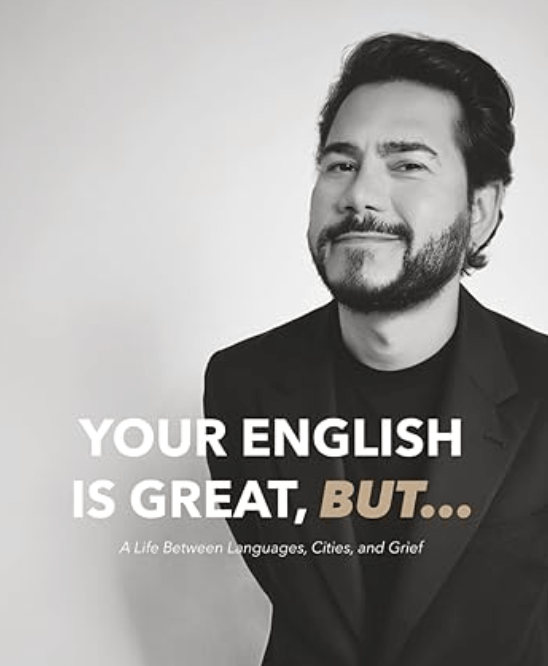
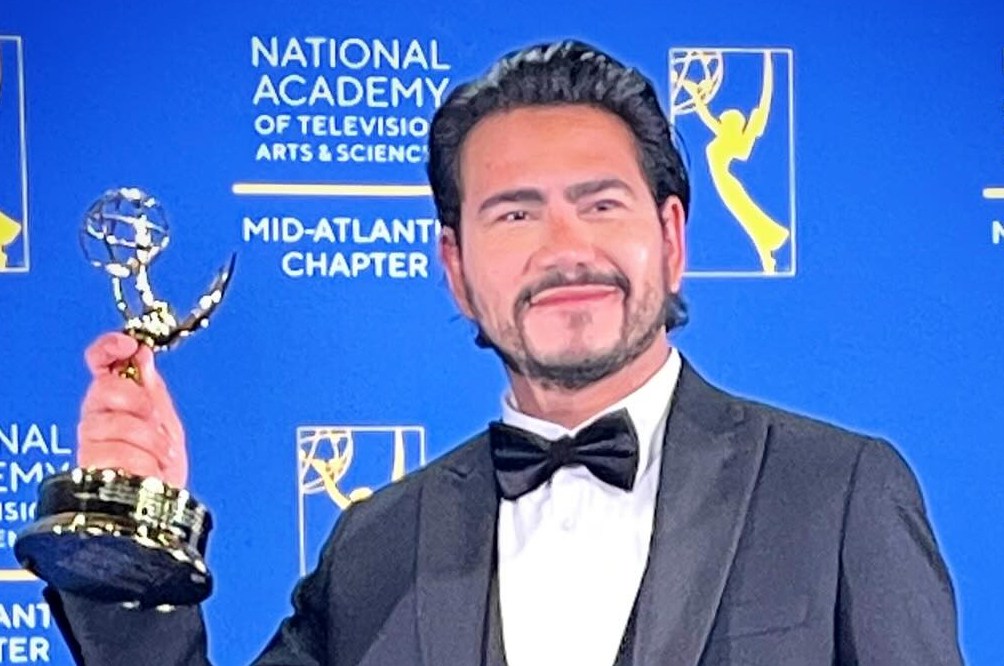
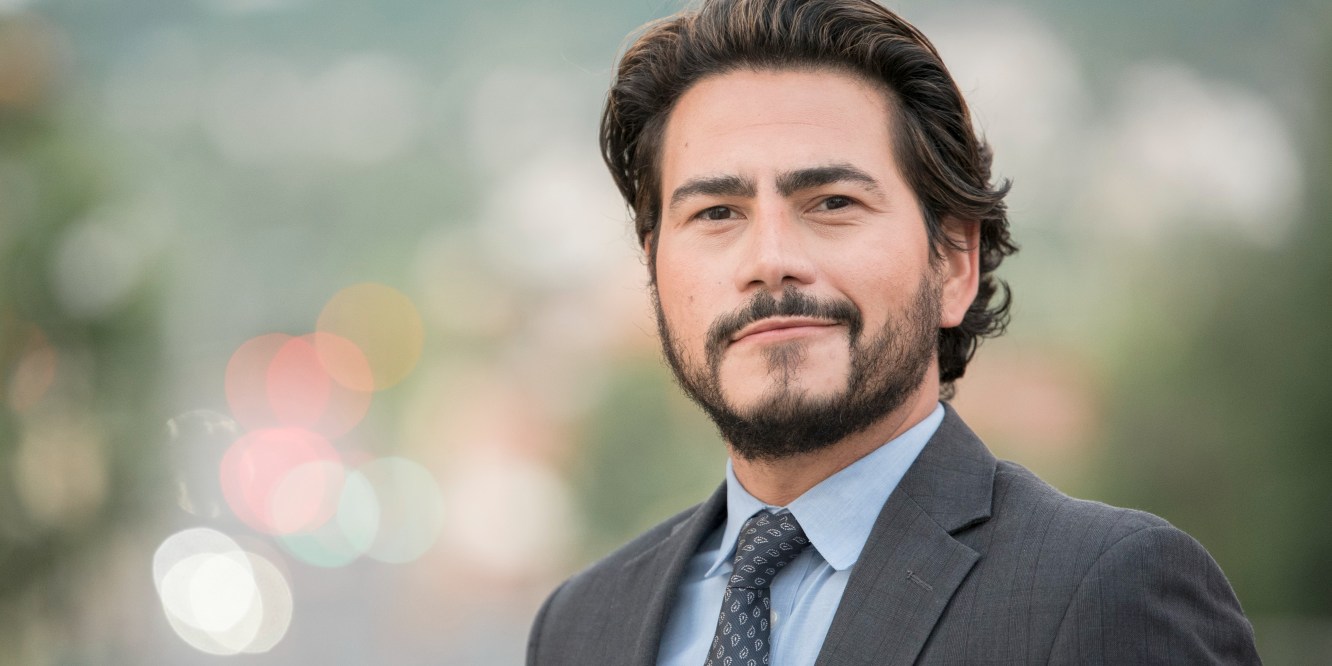
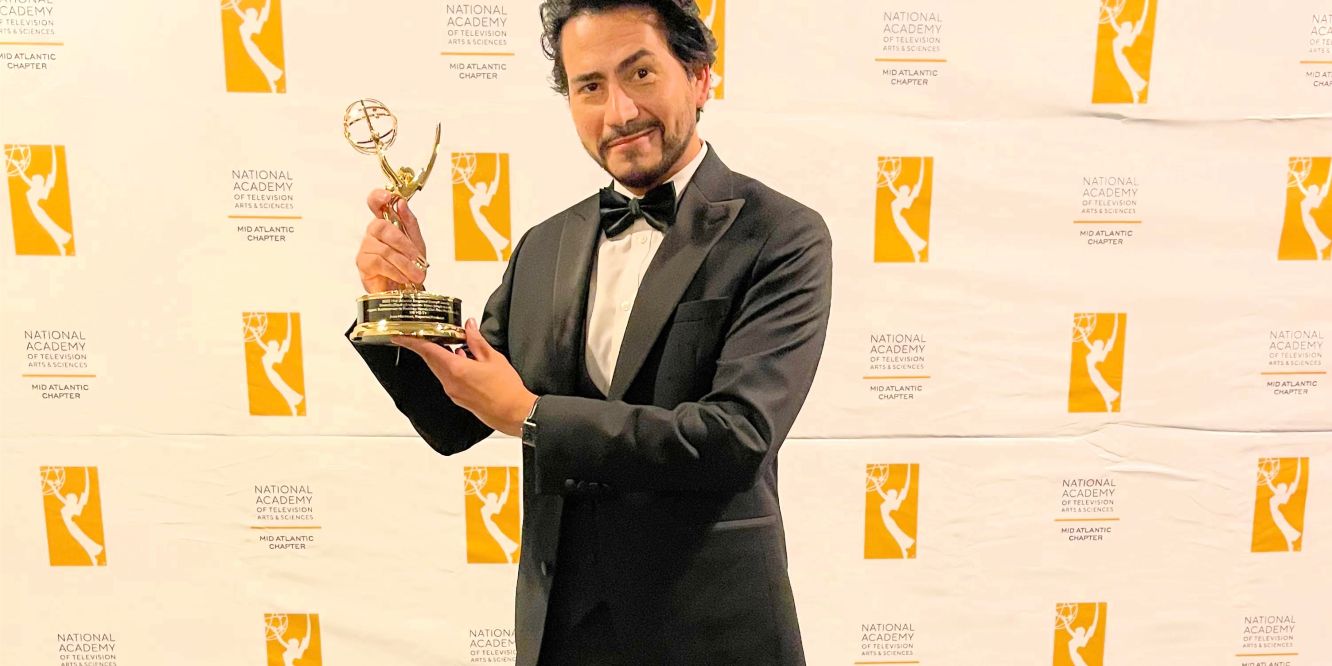
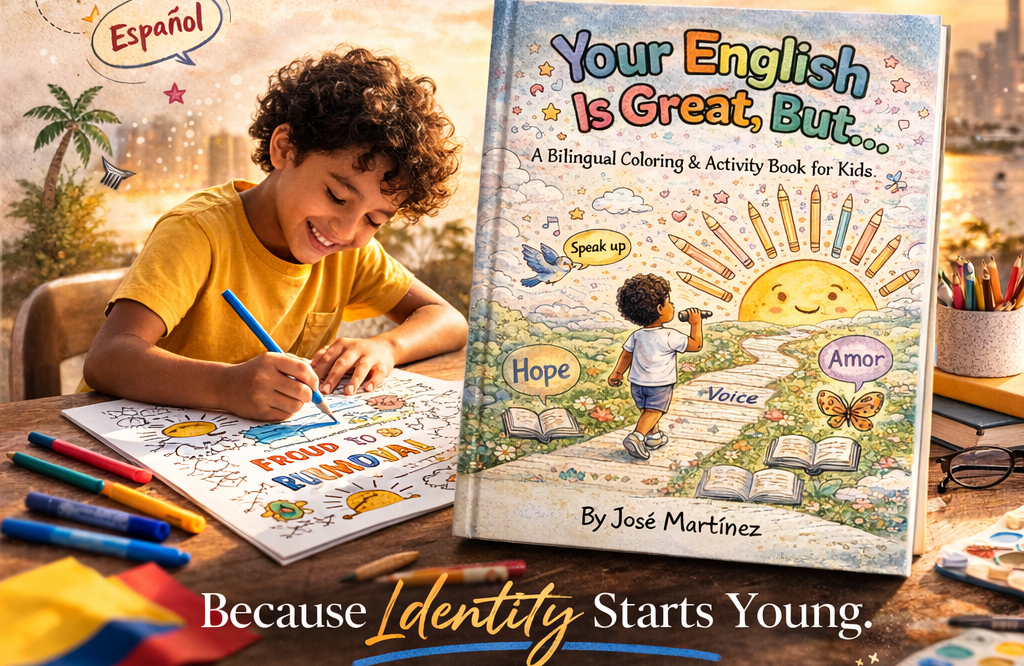
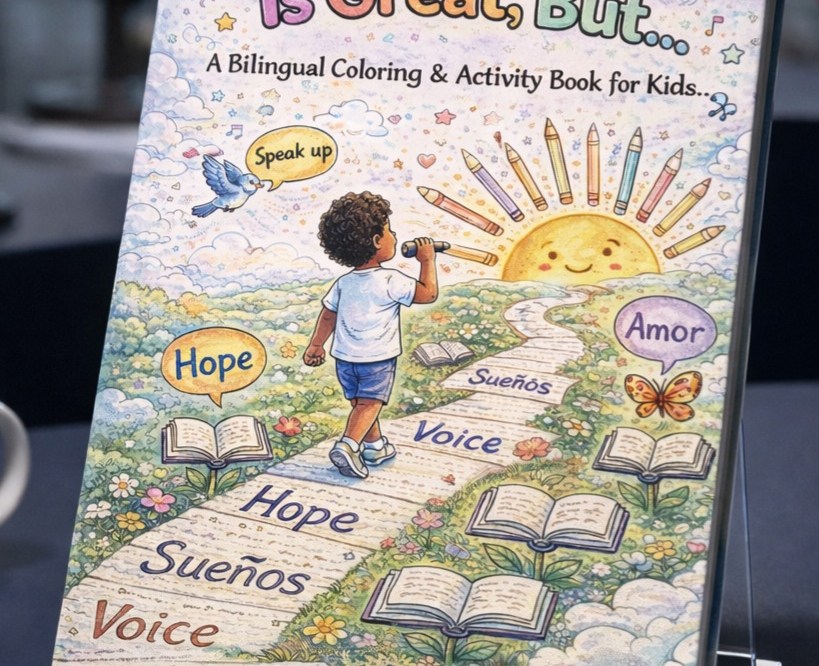
José Martínez is a journalist and author who writes about language, identity, and belonging. He is the author of Your English Is Great, But…, a book exploring accent bias, bilingual identity, and the hidden meaning behind everyday compliments.
👉 Your English Is Great, But… is available now on Amazon:
https://www.amazon.com/Your-English-Great-But-Languages/dp/B0FHBJKJ6R
Posts









Discover more from José Martínez
Subscribe to get the latest posts sent to your email.

