
Being bilingual in the United States is often misunderstood.
It is praised as an asset.
Questioned as a problem.
Celebrated in theory — and policed in practice.
To be bilingual in America is to constantly navigate identity, expectation, and perception, often all at once.
Bilingualism as an Advantage — and a Burden

In public discourse, bilingualism is often framed as a strength.
People talk about:
- Career advantages
- Cognitive benefits
- Global competitiveness
But lived experience tells a more complicated story.
For many, being bilingual in the United States also means:
- Being corrected more often
- Being asked to translate without recognition
- Being told when to speak — and when not to
Bilingualism becomes an advantage only when it serves others.
Growing Up Bilingual in America
Many bilingual Americans grow up translating long before they understand what translation is.
They translate:
- Doctor’s appointments
- School forms
- Phone calls
- Government documents
Language becomes responsibility early.
At the same time, they may be discouraged from using their home language in public or at school — taught that English is the language of success.
This creates an internal conflict:
one language for home, another for survival.
Bilingual Identity and Belonging
Being bilingual often means living between worlds.
In one space, you may be told:
- Your accent is too strong
- Your English isn’t “perfect”
In another, you may hear:
- You’ve lost your roots
- You don’t speak your first language “well enough”
Bilingual identity is shaped by constant evaluation — never fully fitting into one category or another.
The Pressure to Sound “American”
In the United States, there is often an unspoken standard for what “American” sounds like.
Accents that fall outside that standard are:
- Marked
- Questioned
- Corrected
This pressure leads many bilingual Americans to code-switch — adjusting speech depending on context to avoid judgment or misunderstanding.
While often framed as a skill, constant code-switching can be emotionally exhausting.
Bilingualism and Language Discrimination
Despite its benefits, bilingualism is still closely tied to language discrimination.
Bilingual individuals may experience:
- Accent bias in hiring and promotions
- Assumptions about intelligence or education
- Reduced credibility in professional settings
These experiences are not about ability.
They are about perception.
When Bilingualism Is Celebrated — Selectively
Not all bilingualism is treated the same.
Languages associated with power or prestige are often celebrated.
Languages associated with immigration or marginalization are more likely to be policed.
This selective celebration reveals that the issue is not bilingualism itself — but who is speaking, and which language is being spoken.
Bilingualism as Cultural Memory
For many families, language carries memory.
It holds:
- Stories
- Traditions
- Humor
- Emotion
Maintaining a home language can feel like preserving a connection to family and history — even as external pressures push toward assimilation.
Bilingualism becomes an act of preservation.
What Being Bilingual Really Means
To be bilingual in the United States is not just to speak two languages.
It is to:
- Navigate power
- Translate worlds
- Adapt constantly
- Carry cultural memory
It is to understand that language shapes how you are seen — and how you see yourself.
And it is to live with the knowledge that belonging should not require translation.
About the Author
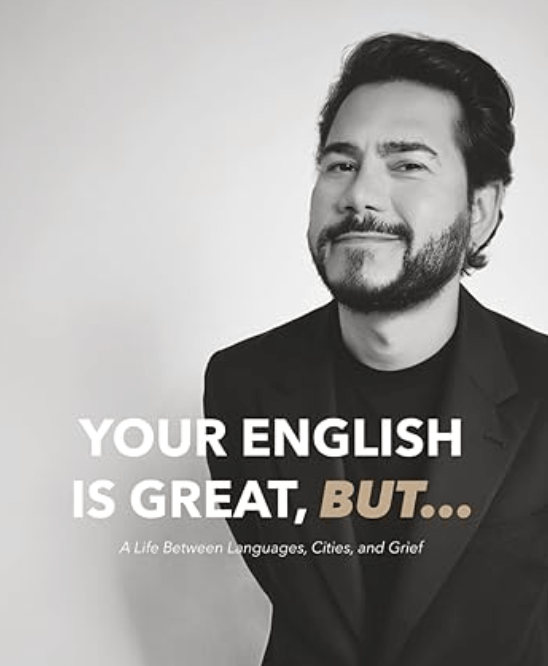
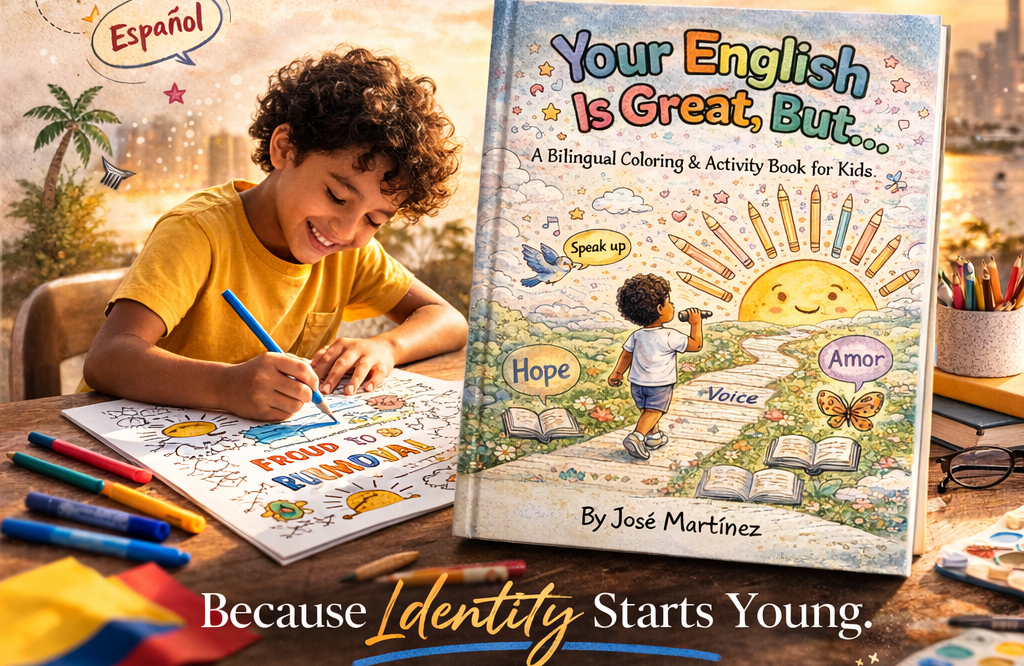
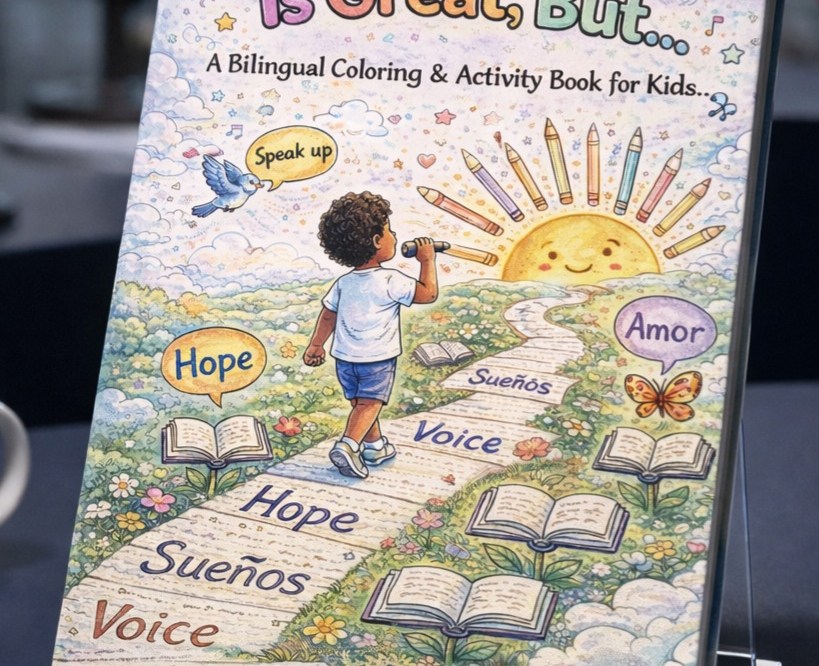
José Martínez is a journalist and author who writes about language, identity, and belonging. He is the author of Your English Is Great, But…, a book exploring accent bias, bilingual identity, and the hidden meaning behind everyday compliments.
👉 Your English Is Great, But… is available now on Amazon:
https://www.amazon.com/Your-English-Great-But-Languages/dp/B0FHBJKJ6R
Posts














Discover more from José Martínez
Subscribe to get the latest posts sent to your email.

