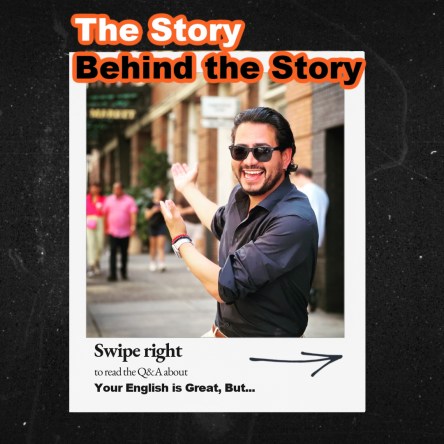
Café con José: Writing About Language as Survival
A Café con José essay on writing about language as survival, identity, and belonging in America.
Bilingual Storyteller
A Café con José essay on writing about language as survival, identity, and belonging in America.

Why speaking perfect English is still not enough to avoid bias. Learn how language, accent, and identity shape belonging in America.

Code-switching explained: why adjusting how you speak is emotional labor, and how language, identity, and bias intersect in everyday life.

What it means to be bilingual in the United States, from identity and opportunity to bias, pressure, and belonging.

How language shapes identity in America, influencing belonging, power, and perception. Learn how language defines who is seen and heard.
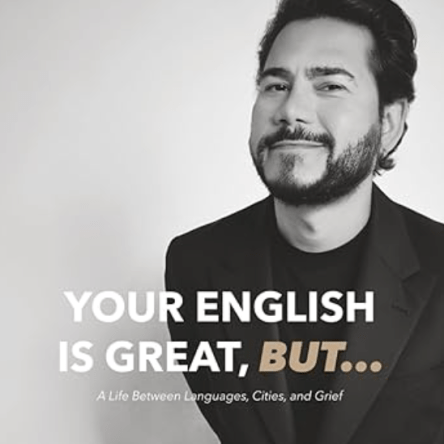
A quiet invitation to readers of Your English Is Great, But… to leave an honest review and help an independent book keep traveling.

Why are accents used to measure intelligence? Learn how accent bias, stereotypes, and power shape perceptions of intelligence.

Accent bias in the workplace affects hiring, pay, and promotions. Here’s what research shows about accent discrimination and professional bias.

Accent bias explained: why how you speak still affects jobs, education, and belonging. Learn how accent discrimination works in everyday life.

Real examples of language discrimination in everyday life, from workplaces to schools. Learn how accent bias and language inequality show up daily.

Is “your English is great” a microaggression? Learn why the phrase can reinforce stereotypes, accent bias, and language discrimination.
Why “your English is great” can be offensive, even when meant as a compliment. Learn how language, accent bias, and identity intersect.
