Speaking With an Accent at Work
Speaking with an accent at work affects credibility, confidence, and opportunity. Here’s how accent bias shows up in professional spaces.
Bilingual Storyteller
Speaking with an accent at work affects credibility, confidence, and opportunity. Here’s how accent bias shows up in professional spaces.
Why language is still used to police belonging — and how accents, fluency, and tone determine who is accepted and who is questioned.
When praise feels like permission to belong, speak, or exist. How language, approval, and power quietly shape acceptance.
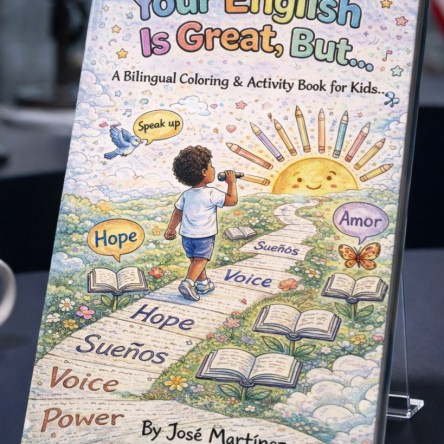
Why I wrote Your English Is Great, But… — a reflection on language, identity, belonging, and the stories that needed a home.
Assimilation vs belonging explained. Learn how language, identity, and power shape who is expected to adapt — and who is allowed to belong.
Why Spanglish is not broken English. Learn how Spanglish follows linguistic rules and reflects bilingual identity and culture.
A birthday reflection on language, belonging, and growth — and what another year has taught me about identity and voice.
What is Spanglish? A cultural and linguistic history of Spanglish, its origins, meaning, and role in identity and belonging.
A Café con José essay on writing about language as survival, identity, and belonging in America.
Why speaking perfect English is still not enough to avoid bias. Learn how language, accent, and identity shape belonging in America.
Code-switching explained: why adjusting how you speak is emotional labor, and how language, identity, and bias intersect in everyday life.
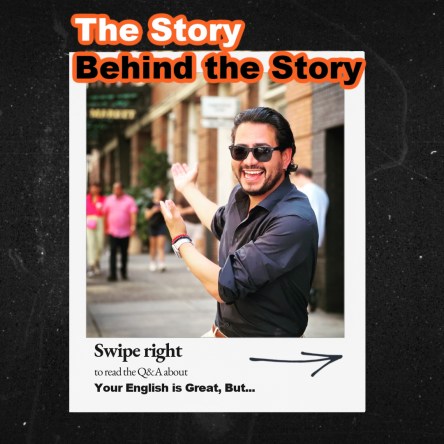
Emmy-winning journalist and author José Martínez joins Toni Reece on WEEU’s “Feedback” show to talk storytelling, identity, and his powerful debut book Your English Is Great, But… now available on Amazon.