
I didn’t start writing about language because it was interesting.
I started because it was necessary.
Language has always been tied to survival — not just communication. It determined when I was taken seriously, when I was questioned, and when I felt like I belonged.
Writing about language became a way to make sense of that.
Language Was Never Just Words
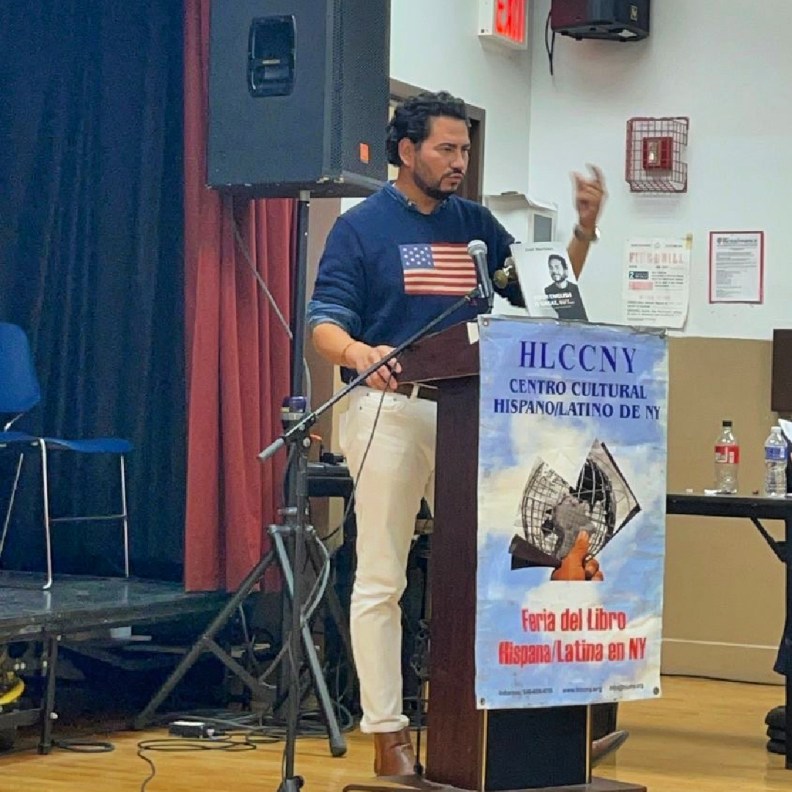
Growing up bilingual teaches you early that words carry weight.
Not just meaning — but consequence.
You learn which language is welcome in which room.
Which accent gets corrected.
Which version of your voice gets rewarded.
Over time, you stop speaking freely. You start speaking strategically.
That strategy is survival.
Writing as a Place to Breathe
When language is constantly monitored in real life, writing becomes a place where you can finally breathe.
On the page, I didn’t have to explain myself.
I didn’t have to soften my voice.
I didn’t have to translate who I was.
Writing allowed me to name experiences that often go unnamed — the quiet discomfort, the repeated “compliments,” the pressure to sound acceptable.
Once named, those experiences stopped feeling personal and started looking structural.
Why Language Keeps Coming Back in My Work
People sometimes ask why I keep returning to language.
The answer is simple: language keeps returning to me.
It shows up in:
- Newsrooms
- Interviews
- Classrooms
- Public spaces
It shows up in who is interrupted.
In who is believed.
In who is asked to repeat themselves.
Writing about language is a way of paying attention to patterns that shape everyday life.
Survival Isn’t Always Dramatic
When we talk about survival, we often imagine extremes.
But survival also looks like:
- Choosing your words carefully
- Adjusting your tone
- Deciding when to speak — and when not to
These decisions happen quietly, every day.
For many bilingual and immigrant Americans, language is something you manage constantly. Writing about it becomes a way to reclaim agency.
Café con José as a Space for Reflection
Café con José was never meant to be loud.
It’s meant to be intentional.
A place to pause.
To reflect.
To connect lived experience with larger systems.
Writing here allows me to move beyond headlines and into the spaces between them — where identity, language, and belonging intersect.
Why This Writing Matters to Me Now
At this point in my life, writing feels less like performance and more like grounding.
It reminds me that stories don’t need permission to exist.
That language doesn’t need to be perfect to be powerful.
That survival can look like telling the truth — calmly, clearly, and without apology.
An Invitation to the Reader
If you’ve ever felt like you had to adjust your voice to be heard, you’re not alone.
If language has ever made you feel visible — or invisible — you’re not imagining it.
Writing about language is not about nostalgia or theory.
It’s about survival.
And sometimes, it’s about finally saying the things you were taught to hold back.
About the Author
José Martínez is a journalist and author who writes about language, identity, and belonging. He is the author of Your English Is Great, But…, a book exploring accent bias, bilingual identity, and the hidden meaning behind everyday compliments.
👉 Your English Is Great, But… is available now on Amazon:
https://www.amazon.com/Your-English-Great-But-Languages/dp/B0FHBJKJ6R
Discover more from José Martínez
Subscribe to get the latest posts sent to your email.

