
Language does more than communicate ideas.
In America, it shapes how people are seen, heard, and valued.
It signals belonging.
It determines credibility.
It often decides who feels at home — and who feels watched.
To understand identity in America, you have to understand language.
Language as a Marker of Belonging

From a young age, Americans learn that how you speak matters.
Certain ways of speaking are treated as:
- Normal
- Professional
- Educated
Others are marked as:
- Foreign
- Informal
- Incorrect
These distinctions are not neutral. They create boundaries between who belongs and who must adapt.
Language becomes a social marker — one that signals whether someone is inside or outside the imagined “mainstream.”
Why Language and Identity Are Deeply Connected
Language carries history.
It holds:
- Family stories
- Migration journeys
- Cultural memory
- Emotional expression
For many Americans, especially those from immigrant or bilingual households, language is tied to identity in complex ways.
One language may represent home.
Another may represent survival.
Another may represent ambition.
Switching between them isn’t just practical — it’s personal.
Bilingual Identity in the United States
In the United States, bilingual identity is often misunderstood.
Multilingualism is praised in theory but policed in practice.
People are encouraged to:
- Learn English quickly
- Minimize accents
- Avoid mixing languages
This creates tension for bilingual Americans, who are often told:
- They are not “American enough” in one language
- Or not “authentic enough” in another
Language becomes something to manage — rather than something to inhabit freely.
Language, Power, and Perception
Language in America is closely tied to power.
Certain accents are associated with:
- Authority
- Intelligence
- Trust
Others are unfairly linked to:
- Lower ability
- Lack of education
- Outsider status
These perceptions shape everything from hiring decisions to media representation.
This is why language discrimination and accent bias continue to affect opportunity — even when no one explicitly names them.
Code-Switching as Identity Navigation
Many Americans navigate identity through code-switching.
They adjust:
- Vocabulary
- Tone
- Pronunciation
depending on the setting.
While often described as a skill, constant code-switching can be emotionally exhausting. It reflects awareness that certain versions of oneself are more acceptable than others.
This is not about choice alone.
It’s about safety, access, and survival.
The Emotional Weight of “Speaking Correctly”
The idea of “speaking correctly” carries emotional weight.
Correction is rarely just about grammar.
It often carries judgment about intelligence, worth, or legitimacy.
For many people, being corrected repeatedly — especially in public — shapes how comfortable they feel expressing themselves at all.
Language becomes something to guard, not enjoy.
Language as Resistance and Expression
Despite these pressures, language is also a site of resistance.
Communities reclaim:
- Accents
- Dialects
- Spanglish
- Vernaculars
as expressions of identity rather than deficits.
These linguistic choices challenge the idea that there is only one acceptable way to sound American.
They remind us that identity is not singular — and neither is language.
Why Language Still Matters in America
Language matters because it shapes everyday experience.
It influences:
- Who feels confident speaking
- Who is interrupted
- Who is believed
- Who is dismissed
Understanding how language shapes identity in America helps explain why conversations about belonging, inclusion, and power remain so urgent.
Because language is never just about words.
It’s about who gets to speak — and who is expected to listen.
About the Author
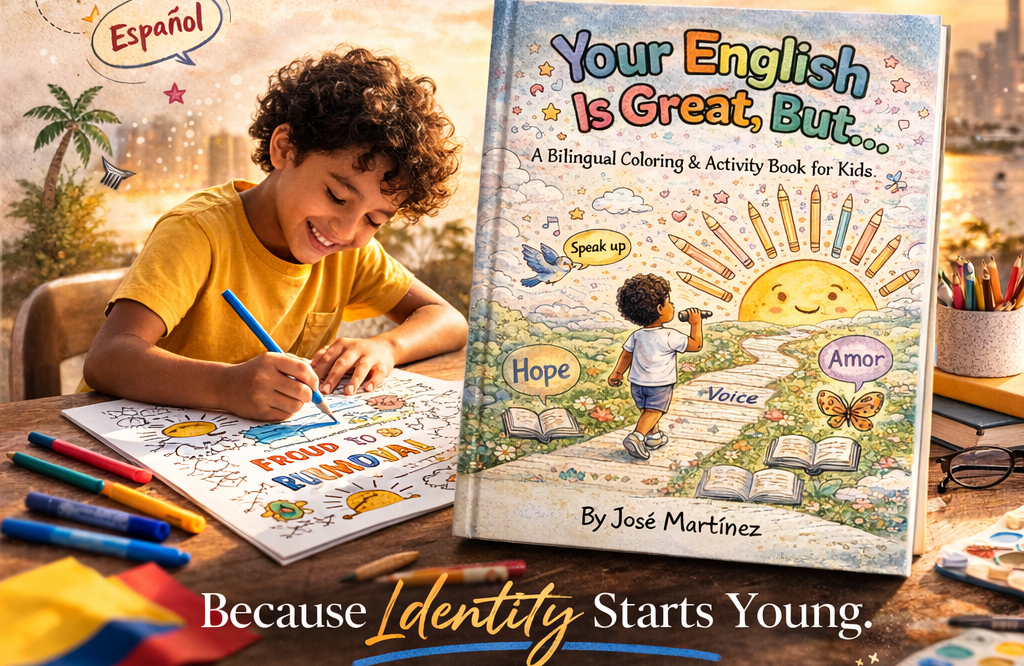
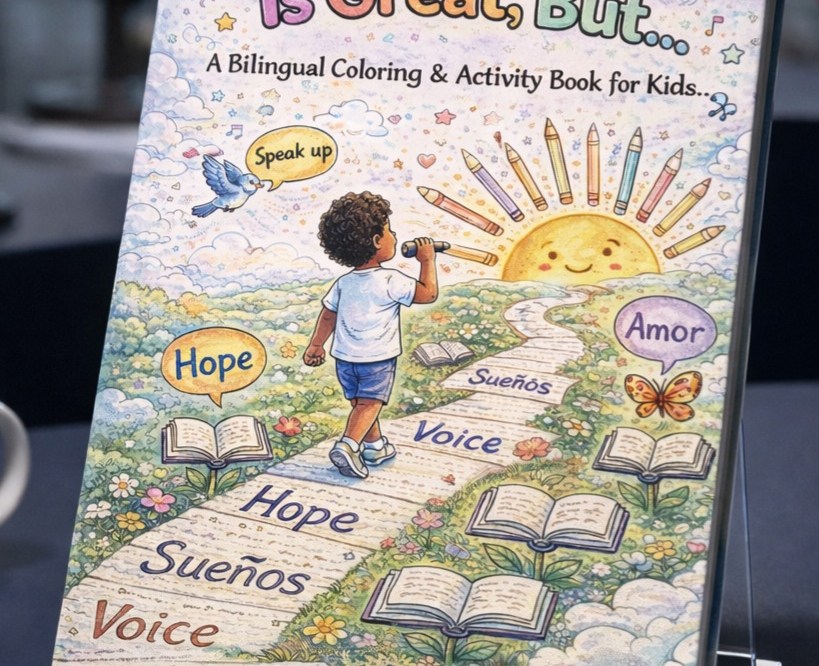
José Martínez is a journalist and author who writes about language, identity, and belonging. He is the author of Your English Is Great, But…, a book exploring accent bias, bilingual identity, and the hidden meaning behind everyday compliments.
👉 Your English Is Great, But… is available now on Amazon:
https://www.amazon.com/Your-English-Great-But-Languages/dp/B0FHBJKJ6R
Posts
Stay up to date with the latest from our blog.

Discover more from José Martínez
Subscribe to get the latest posts sent to your email.

