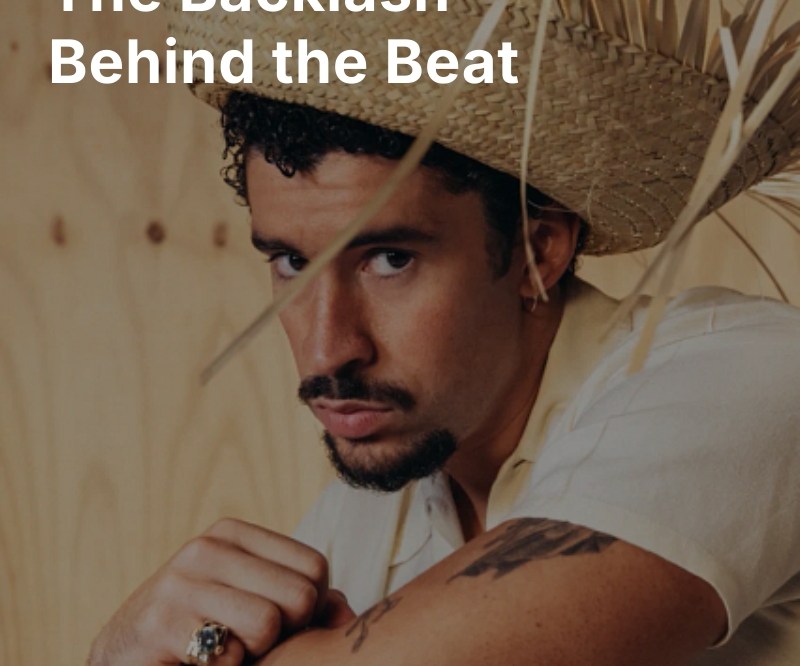
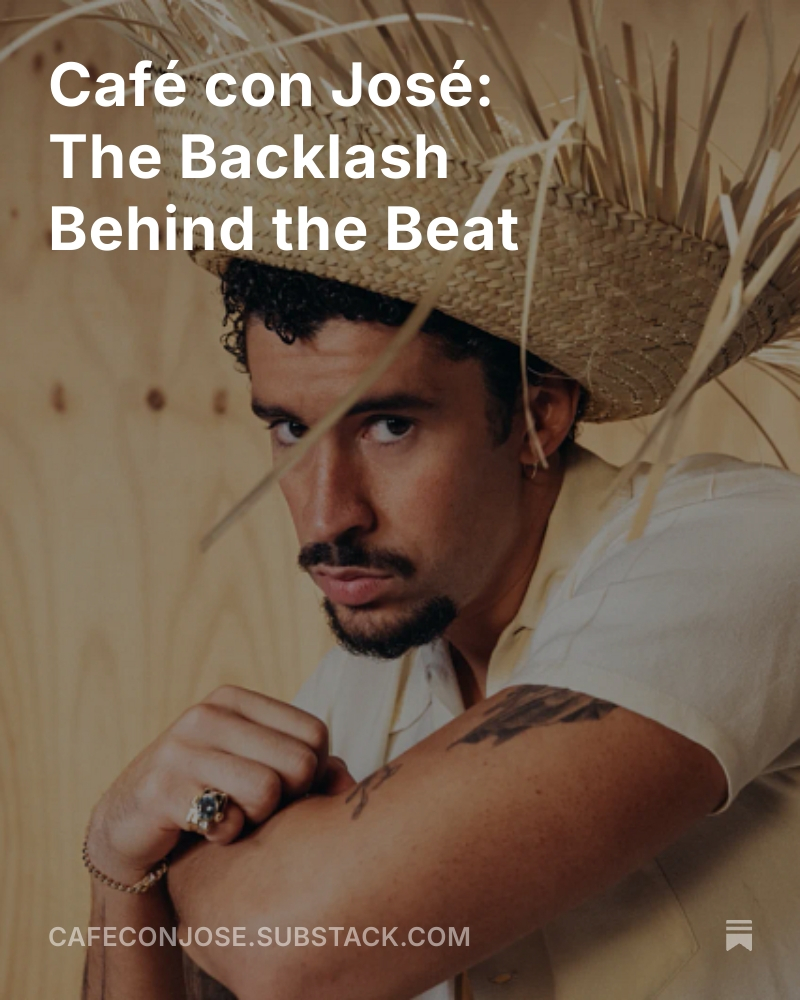
When it was announced that Bad Bunny would headline the next Super Bowl halftime show, social media exploded.
At first, there was celebration, Puerto Rican flags, excitement, pride, joy.
But within hours, the noise changed. The tone shifted.
Suddenly, it wasn’t about music anymore. It was about belonging. About language. About what America still refuses to see.
The comments came fast:
“Why him?”
“He doesn’t even sing in English.”
“Can’t we have someone American again?”
And just like that, a global artist who sells out stadiums, collaborates across genres, and breaks records with every release was reduced to a debate over identity, over whether someone who speaks another language, someone who comes from an island that’s technically American but treated like it’s not, deserves the biggest stage in the world.
Sound familiar?
For many of us, it does.
Because this isn’t just about Bad Bunny.
It’s about us.
It’s about every immigrant kid who’s been told their accent “stands out too much.”
Every bilingual professional who switches languages to make others comfortable.
Every journalist, teacher, or artist who’s been told, “Your English is great, but…” — that quiet little pause before the “but” that tells you everything.
It’s the pause that says: You’re talented, but you’re not what we expect.
You belong, but not completely.
That same coded doubt that I once heard in a newsroom is now being shouted on national platforms.
The irony? Bad Bunny represents everything we say we value, creativity, hard work, authenticity, global impact. He’s bilingual, unapologetically Latino, and still chooses to make art that reflects his world, not what the industry demands.
He’s a reminder that speaking Spanish is not a limitation, it’s a legacy.
That joy and rebellion can coexist.
That being Latino is not a trend, it’s a truth.
Yet here we are again, watching how easily celebration turns to criticism when it comes from our community.
That discomfort says more about the audience than the artist.
Because what’s really being questioned isn’t talent, it’s power.
It’s the growing realization that Latino voices are no longer asking for space. We’re claiming it.
We’re building our own platforms, our own narratives, our own tables, and inviting others to listen.
And maybe that’s what’s threatening:
The sound of a generation that refuses to translate itself to be understood.
For me, this moment hits close to home. As a journalist and author, I’ve seen how easily bias hides behind “preferences.” When people say, “I just don’t get his music,” or “It’s not for me,” I think of all the times I was told my stories were “too niche” — as if being Latino somehow meant being limited.
But here’s the truth: our stories have always been universal.
They’re about family, resilience, love, and survival, the same themes that define every great American story.
And maybe that’s the irony of it all:
Bad Bunny is America.
So are you. So am I.
From San Juan to San Antonio, from the Bronx to Berkeley, from Cartagena to Reading, we’re proof that language doesn’t divide us. It multiplies our reach.
So, when people roll their eyes at the idea of a Spanish-speaking headliner, I think of my grandmother’s voice, my father’s accent, the way both of them taught me that identity isn’t something you fit into, it’s something you grow into.
And I smile. Because whether it’s through music, news, or storytelling, one thing is certain: our time is now.
Let them be uncomfortable.
We’ve been uncomfortable for decades.
And yet, here we are, louder, prouder, and more visible than ever.
This halftime show will be more than a performance.
It’ll be a statement.
One beat, one verse, one moment at a time.
Con cariño,
José
Your English is Great, But… available now at VOZNYC.com/shop and major retailers.
Discover more from José Martínez
Subscribe to get the latest posts sent to your email.

