
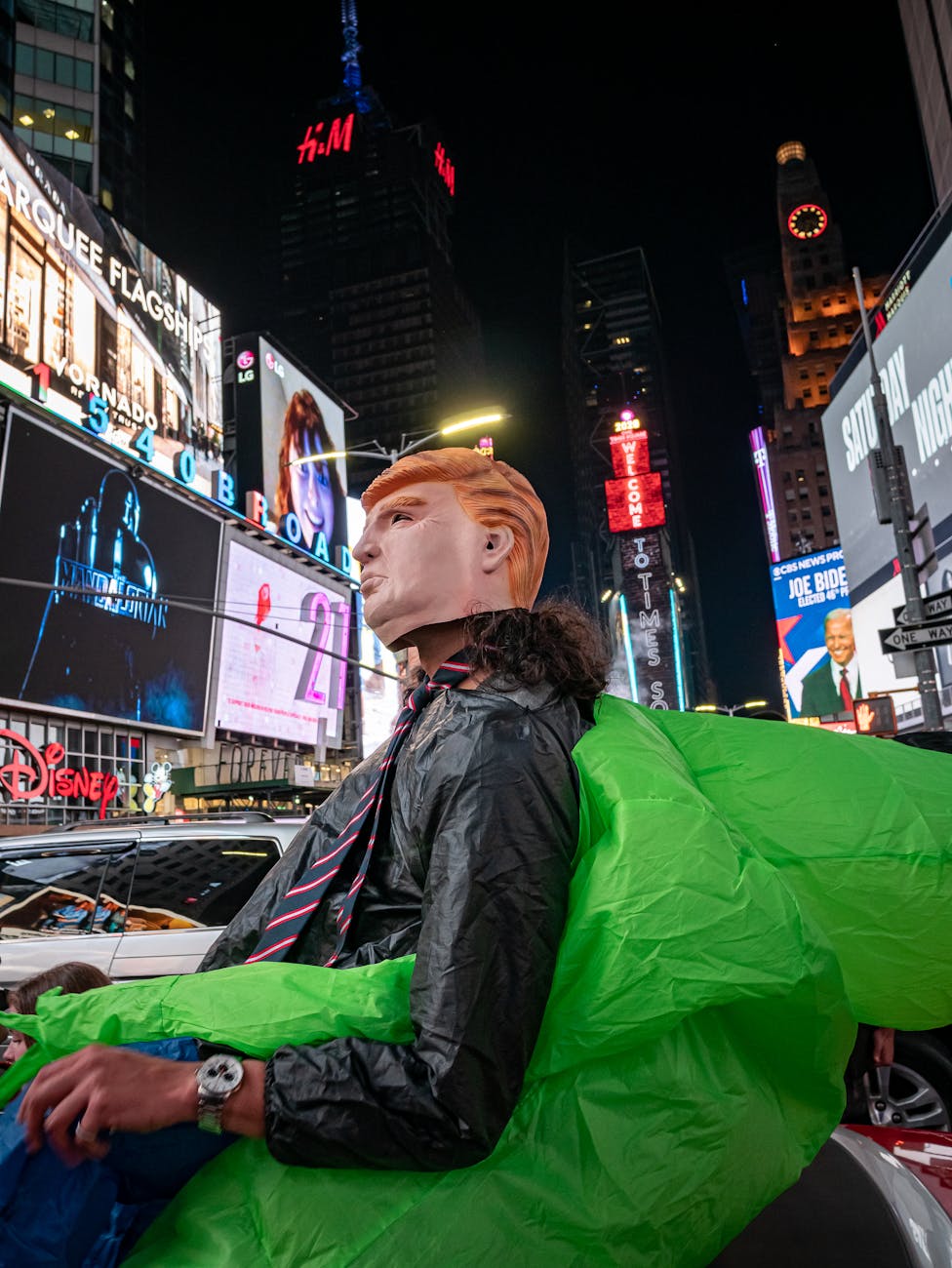
Donald Trump’s return to the White House in 2024 isn’t just a political win—it’s a seismic shift in the narrative of what America is and what it could become. Against the backdrop of economic uncertainty, cultural debates, and legal battles, Trump’s victory feels like a reckoning, a moment that forces us to confront the raw complexities of the nation we live in.
This wasn’t a typical election. It was a test of resilience—Trump’s, certainly, but also the nation’s. His ability to galvanize voters, especially in key swing states and among groups like Latino communities, reflects an evolving political landscape. He tapped into frustrations about inflation, border security, and cultural identity, presenting himself as the answer to chaos. Love him or hate him, Trump’s strategy worked, and it worked spectacularly.
What’s fascinating—and perhaps unsettling—is how Trump wielded alternative media platforms to reshape his campaign narrative. In bypassing traditional outlets, he connected with millions directly, solidifying his message with an unfiltered intensity. This election didn’t just redefine who holds office; it redefined how campaigns are run in the digital age.
But beneath the headlines and victory speeches lies a deeper question: What does this win say about us? Trump’s return reveals not just political divisions, but cultural fault lines. It underscores the power of economic fears, the appeal of strongman politics, and the vulnerability of a nation still grappling with its identity.
As a journalist, moments like this remind me why we do what we do. Trump’s victory isn’t just a story about one man; it’s about the millions of voices—some celebrated, some silenced—that shaped this outcome. Our job now is to listen, to report, and to reflect the America that is, while holding space for the America that could be.
The next chapter has begun. And if this election taught us anything, it’s that the story of America is far from predictable. The question is: Are we ready for what comes next?
Discover more from José Martínez
Subscribe to get the latest posts sent to your email.

